- Open 24/7, Monday to Sunday
- Serving Peoria County
Dunlap conditions
Dunlap properties need a placement plan
Dunlap is a spread-out community where a driveway may run a long distance from the road, pass over a culvert, or narrow near a detached garage. That changes the delivery conversation. The truck needs a stable approach, enough turning room, and a place where the container will not block farm access or daily household traffic. On acreage, distance alone does not make a larger container the better choice if the surface is soft. Lexis Dumpster Rental checks the intended location and discusses the practical limits before dispatching from Peoria.
Much of Dunlap's residential construction sits on larger lots than a typical older city block. Newer homes often have broad drives and open side yards, while established properties may have landscaping, retaining edges, utility equipment, or a tight approach beside the house. A container can be placed on a driveway, but asphalt condition, slope, overhead branches, and the turning path all matter. If the surface is questionable, describe the route from the street to the proposed spot. A smaller tier or different placement can prevent an avoidable access problem.
Central Illinois weather can change a Dunlap placement from one week to the next. Spring rain softens shoulders and unpaved approaches, while freeze and thaw can expose cracked pavement or uneven ground. Summer storms also leave branches and wet yard material heavier than expected. Keep the container on firm, accessible ground and do not stack debris above the rim. Lexis Dumpster Rental coordinates texted delivery and pickup windows and checks driveway protection details so the site is considered before the truck rolls.
Common Dunlap jobs
Match the container to work at your property
These six uses cover the jobs most often discussed for Dunlap homes, acreage, and renovation sites. Material weight and truck access still decide the final fit.
Household Cleanout Dumpsters
For Dunlap move-outs, estate work, and whole-home sorting, plan for furniture, boxes, and mixed household debris. Keep the container on the firmest part of the drive, away from rural lane traffic.
Home cleanoutsGarage and Basement Cleanouts
Dunlap garages and basements often hold dense storage, old shelving, and seasonal equipment. Separate unusually heavy materials before choosing a tier, especially where a long driveway limits easy loading.
Dense storageMoving and Decluttering Dumpsters
A Dunlap move or decluttering project can produce bulky furniture, worn carpet, and discarded household goods. Reserve clear loading space beside the container and protect the route across gravel or soft ground.
Moving projectsYard Waste Dumpsters
Storm cleanup and property work around Dunlap acreage can create branches, brush, and soil-heavy material. Explain what the load contains because wet vegetation weighs differently from dry household debris.
Acreage cleanupRenovation Debris Dumpsters
Bathroom, kitchen, and room renovations in Dunlap may combine drywall, cabinets, flooring, and fixtures. Load dense materials evenly and keep the approach open for a truck on a sloped or narrow drive.
Remodel debrisRoofing Debris Dumpsters
Roof replacement around Dunlap produces dense shingles that can fill a container by weight before it looks full. Place it near the work area only after checking clearance, ground firmness, and roof access.
Roofing work
Material decisions
Dunlap homes change the size and weight decision
Dunlap's newer rural homes commonly have larger floor plans, attached garages, and longer driveways than homes in a compact older neighborhood. A move-out may create a lot of cardboard and furniture, while a kitchen or bathroom project creates dense cabinets, tile, plaster, and fixtures. Those loads behave differently. A container that looks large enough can become too heavy when filled with masonry, shingles, soil, or wet material. Start with the material list, not only the room count. If several projects overlap, explain the sequence so pickup and placement can be planned without trapping equipment or blocking the garage.
Older portions of the area and established properties may add plaster, hardwood, brick, concrete, or layered roofing to a cleanup. These materials take less space but add weight quickly. Newer construction can create more packaging, drywall, trim, and bulky framing waste. Long rural drives also make a swap or repositioning harder if the original spot was chosen without checking the turning path. Keep heavy debris distributed across the floor, leave the load below the top edge, and identify any unusual material before scheduling. The cheaper tier is sensible when the debris is light and the volume is modest, but not when dense material is involved.
Before delivery
Prepare the Dunlap site before the truck arrives
- Measure the Dunlap driveway width and check overhead branches along the full delivery approach.
- Choose firm ground away from culverts, soft shoulders, septic access, and daily farm traffic.
- Keep vehicles, trailers, and stored materials clear of the proposed container placement area.
- Separate shingles, concrete, soil, and wet brush from lighter Dunlap household debris before loading.
- Tell Lexis Dumpster Rental about slopes, gates, narrow turns, and any surface protection concerns.
Dunlap answers
Questions about dumpster rental in Dunlap
What size dumpster fits a Dunlap home cleanout?
A 15-yard or 20-yard container often fits a focused Dunlap garage, move-out, or room cleanout, while a whole-house project may need a larger tier. The correct choice depends on furniture, flooring, appliances, and how tightly material can be loaded. Tell us the rooms involved, the heaviest items, and whether the driveway has a narrow turn. Keep loading below the rim and leave access clear for pickup.
Can a dumpster go on a rural Dunlap driveway?
Yes, a dumpster can often sit on a Dunlap driveway when the approach is firm, the surface is reasonably level, and the truck has enough clearance to reach the placement area. Long drives, culverts, soft shoulders, low branches, and tight gates can change the plan. Walk the route before delivery, remove parked vehicles, and explain any gravel, slope, or pavement concerns during scheduling.
How does wet weather affect Dunlap dumpster delivery?
Wet weather can soften Dunlap shoulders and unpaved drives, making a delivery route unsuitable even when it worked during dry conditions. Spring rain, summer storms, and freeze-thaw damage can affect traction and driveway edges. Choose the firmest available placement, keep the truck route unobstructed, and mention recent rain or standing water before the delivery window is arranged.
What can I put in a Dunlap dumpster?
Common Dunlap loads include household debris, furniture, drywall, flooring, cabinets, roofing material, and ordinary yard waste when the material is accepted for the selected service. Paint, chemicals, batteries, tires, appliances, electronics, liquids, and other restricted items may require separate handling. Make a short list before loading and identify anything unusual so the allowed material can be confirmed first.
When can Lexis Dumpster Rental deliver in Dunlap?
Lexis Dumpster Rental schedules Dunlap delivery and pickup 24/7, Monday to Sunday, with the actual window based on route planning, site access, weather, and the requested service. Availability does not mean an arrival time can be promised before the placement details are reviewed. Have the Dunlap address, preferred location, project material, and access notes ready when arranging the service.
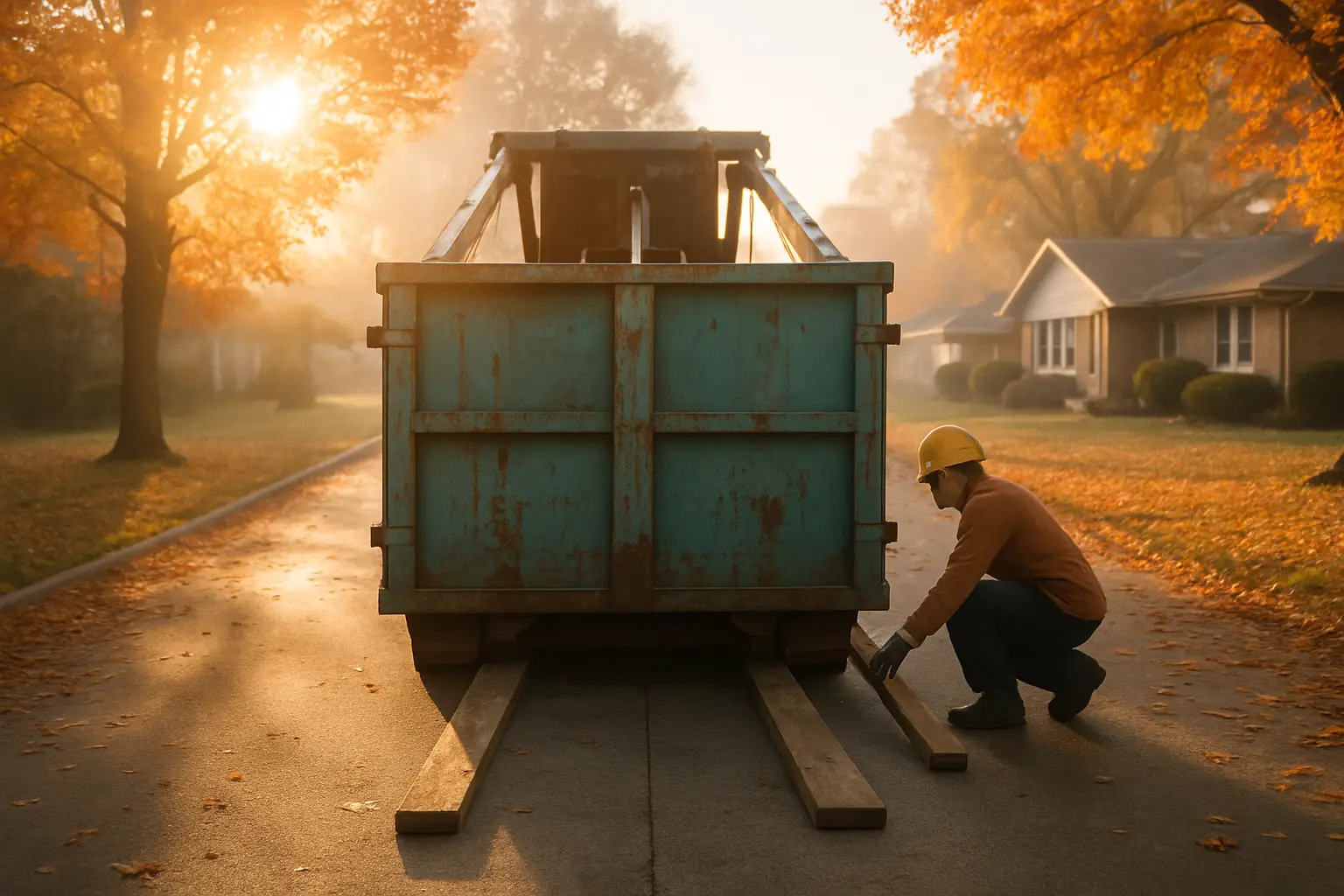
Plan the Dunlap placement before loading
Tell Lexis Dumpster Rental what you are removing, where the container must sit, and what the truck will encounter on the Dunlap approach. Have the address, material list, and access concerns ready for a practical size recommendation.
Click Here to Call(309) 290-5258Local routes
Dunlap service follows the worksite
Lexis Dumpster Rental serves Dunlap properties from Peoria, including newer subdivisions, acreage homes, renovation sites, and commercial areas along the community's main routes. The useful details are the address, driveway approach, ground condition, and material being loaded. Share those specifics so the container can be planned for the actual property rather than an assumed lot shape.