Open 24/7, Monday to Sunday | Serving Peoria since 2016(309) 290-5258
Lexis Dumpster RentalDumpster Rental Peoria, IL
Dumpster Rental Peoria, IL

Local debris service

Dumpster Rental Peoria, IL

Lexis Dumpster Rental confirms placement details and delivery windows, with driveway protection checks documented before the truck leaves.

Dumpster Rental Peoria, IL gives Lexis Dumpster Rental customers a practical way to contain renovation debris, household material, roofing waste, and heavy cleanup loads. We help choose the container, check the access route, and plan placement around the property rather than guessing from a street address. Service is available 24/7, Monday to Sunday.

  • Licensed, bonded and insured
  • Serving since 2016
  • 3374+ containers delivered
  • Open 24/7, Monday to Sunday
  • Serving Peoria County

Local operator

Dumpster planning starts with the property

Lexis Dumpster Rental provides containers for homeowners, contractors, landlords, and commercial crews throughout Peoria. The useful part of the job happens before delivery: identifying the material, separating unusually heavy debris from lighter household waste, and checking whether the driveway, alley, or work area gives the truck enough room to approach and place the container safely. A narrow lot, overhead branch, parked vehicle, or soft shoulder can change the plan. We discuss those conditions plainly, including when a smaller container or staged cleanup makes more sense than paying for capacity you will not use.

Peoria properties vary from older homes with tight side yards and mature trees to newer subdivisions with wider drives and more predictable access. Older pavement, spring-softened ground, and steep approaches deserve extra attention before a loaded container is placed. Lexis Dumpster Rental has delivered 3374+ containers and keeps the conversation focused on the actual debris and the actual site. We are available 24/7, Monday to Sunday, so a project can be discussed when the work schedule allows it, without pretending every placement has the same access requirements.
Project options

Peoria dumpsters for cleanouts and construction

Match the container to the material, not merely the room count. These options cover common residential, commercial, and contractor jobs around Peoria.

  • Household Cleanout Dumpsters

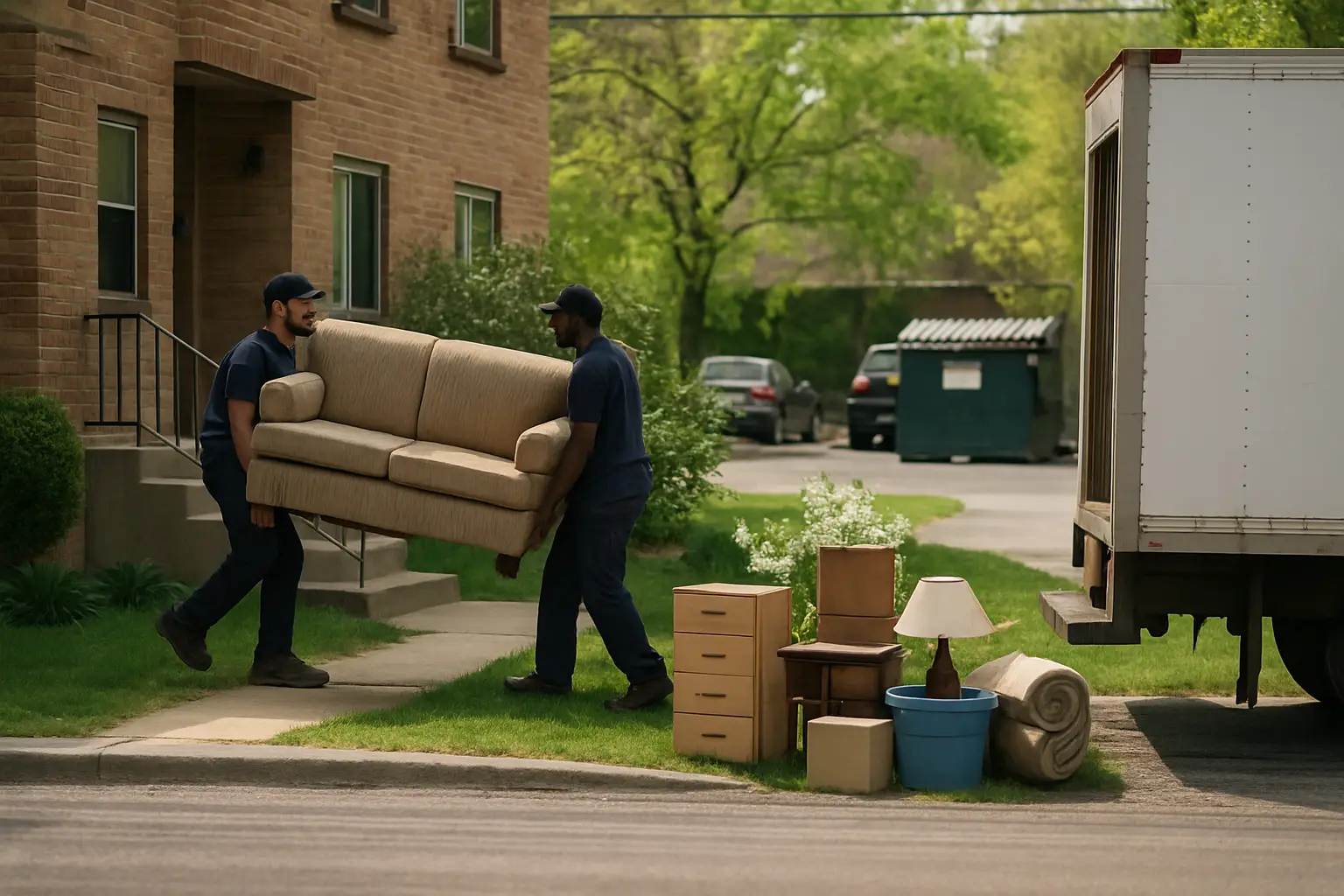
    A household cleanout often includes a mixture of furniture, boxed belongings, shelving, and general contents. Load heavier pieces first and keep prohibited materials separate. We can discuss the container footprint, driveway approach, and whether the project is better handled with one larger placement or a planned exchange.

    Home cleanouts
  • Garage and Basement Cleanouts

    Garages and basements hide dense material in a small footprint, including shelving, tools, old appliances, and construction scraps. A 10-yard or 15-yard container may fit the space, but weight can become the limiting factor. Tell us about stairs, low doors, and the path to the driveway.

    Dense debris
  • Moving and Decluttering Dumpsters

    Moving cleanup creates a changing mix of cardboard, broken furniture, worn fixtures, and unwanted household goods. A container keeps the work area sorted while rooms are emptied. We help estimate volume from the number of rooms and identify items that should not be placed with ordinary project debris.

    Move-out support
  • Yard Waste Dumpsters

    Storm cleanup, pruning, and landscape removal can fill a container quickly even when the material is light. Keep soil, concrete, and large root balls separate from branches unless the load has been approved. Peoria’s wet springs can soften lawns and shoulders, so placement on stable pavement matters.

    Landscape cleanup
  • Renovation Debris Dumpsters

    Bathroom, kitchen, and flooring work produces dense debris that occupies less space than household contents but adds weight quickly. Break down bulky cabinets where practical, keep the load below the top edge, and describe tile, plaster, drywall, or masonry before selecting capacity.

    Remodel debris
  • Roofing Debris Dumpsters

    Roof replacement creates compact but heavy bundles of shingles, underlayment, and tear-off material. The container needs to sit close enough for safe loading without blocking access for the crew. We discuss roof size, tear-off layers, driveway condition, and overhead clearance before scheduling placement.

    Roofing waste
  • Same-Day Dumpster Delivery

    Some cleanup decisions happen after a property closes, a crew arrives, or storm damage exposes more work than expected. Same-day availability depends on equipment and route conditions, so it should be discussed directly rather than assumed. Have the placement address, material, access notes, and preferred location ready.

    Urgent placement
  • Commercial Jobsite Dumpsters

    Commercial work benefits from a container plan that keeps debris out of entrances, loading areas, and active travel lanes. Share the site layout, material type, access restrictions, and expected loading pattern. We can discuss exchanges or separate containers when mixed materials would make one load impractical.

    Jobsite service
  • Recurring Dumpster Service

    Recurring service suits remodelers, property managers, and businesses generating debris across several work phases. The schedule should account for production rate, container footprint, access windows, and material changes. A clear plan helps prevent an early exchange, an overloaded container, or a truck waiting behind site activity.

    Repeat projects

Additional help

Choose another service when debris is not the whole job

How it works

A clear plan prevents placement problems

  1. Describe the work

    Start with the material and the project, not just the container size you have seen elsewhere. Tell us whether the load includes roofing, concrete, soil, appliances, household contents, or mixed renovation debris. Those details affect both capacity and safe loading.

  2. Review the site

    We discuss the proposed location, approach, surface, slope, overhead clearance, and nearby obstructions. In Peoria, an older driveway, narrow alley, soft shoulder, or mature tree can matter more than the distance from the front door. Clear photographs or precise verbal directions help identify concerns.

  3. Choose the capacity

    The best container leaves room for safe loading without paying for unused space. Dense materials may require a smaller container loaded conservatively, while bulky household contents need more volume. We explain the tradeoff instead of treating the largest option as the automatic answer.

  4. Prepare the placement

    Move vehicles, trim access obstacles where appropriate, and make sure the intended space is clear when delivery is scheduled. Protect private items and keep people away from the truck path. If the container must sit on a public street, permission may be needed first.

  5. Load and coordinate pickup

    Distribute material evenly, keep debris below the top edge, and never hide prohibited items inside the load. When the work is complete, share the pickup plan and any access changes. Texted delivery and pickup windows with driveway protection checks keep the handoff tied to the actual property.

Why local planning matters

The cheapest container is not always the cheapest job

  1. Placement gets discussed before delivery

    A driveway is not automatically suitable because a truck can see it from the street. Width, turning space, overhead branches, pavement condition, slope, and nearby vehicles all affect the placement. We ask about those details before equipment is sent, which can prevent a failed delivery or an inconvenient container location. If the proposed spot is poor, a smaller unit or another stable surface may be the better answer.

  2. Material changes the size decision

    Household contents fill space, while shingles, masonry, plaster, soil, and concrete reach a safe weight limit much sooner. That difference is easy to miss during a quick estimate. Describe the heaviest material and the approximate project area, then we can discuss a sensible capacity. For mixed loads, keeping dense debris separate may protect the driveway and reduce the chance of an overloaded container.

  3. The plan follows Peoria conditions

    Peoria includes older neighborhoods with tighter access, newer areas with broader drives, commercial corridors, and properties reached through alleys or shared approaches. Wet spring ground can be less forgiving than dry pavement, and winter freeze and thaw can expose weak edges. We account for the route and surface instead of treating every address as a simple curbside drop.

Working standards

What careful container service includes

  • Licensed, bonded and insured service supports residential and commercial cleanup planning.
  • Every placement discussion accounts for surface condition, clearance, slope, and truck approach.
  • Heavy materials receive separate attention because weight limits arrive before volume limits.
  • Customers should keep the load below the top edge for safe transport.
  • Public-street placement may require local permission before delivery can be scheduled.
  • Driveways and access routes are reviewed before the container reaches the property.
  • Mixed materials should be described honestly so the container matches the actual job.
  • Availability is 24/7, Monday to Sunday, for project planning and scheduling discussions.

Placement details

Where a dumpster can safely sit in Peoria

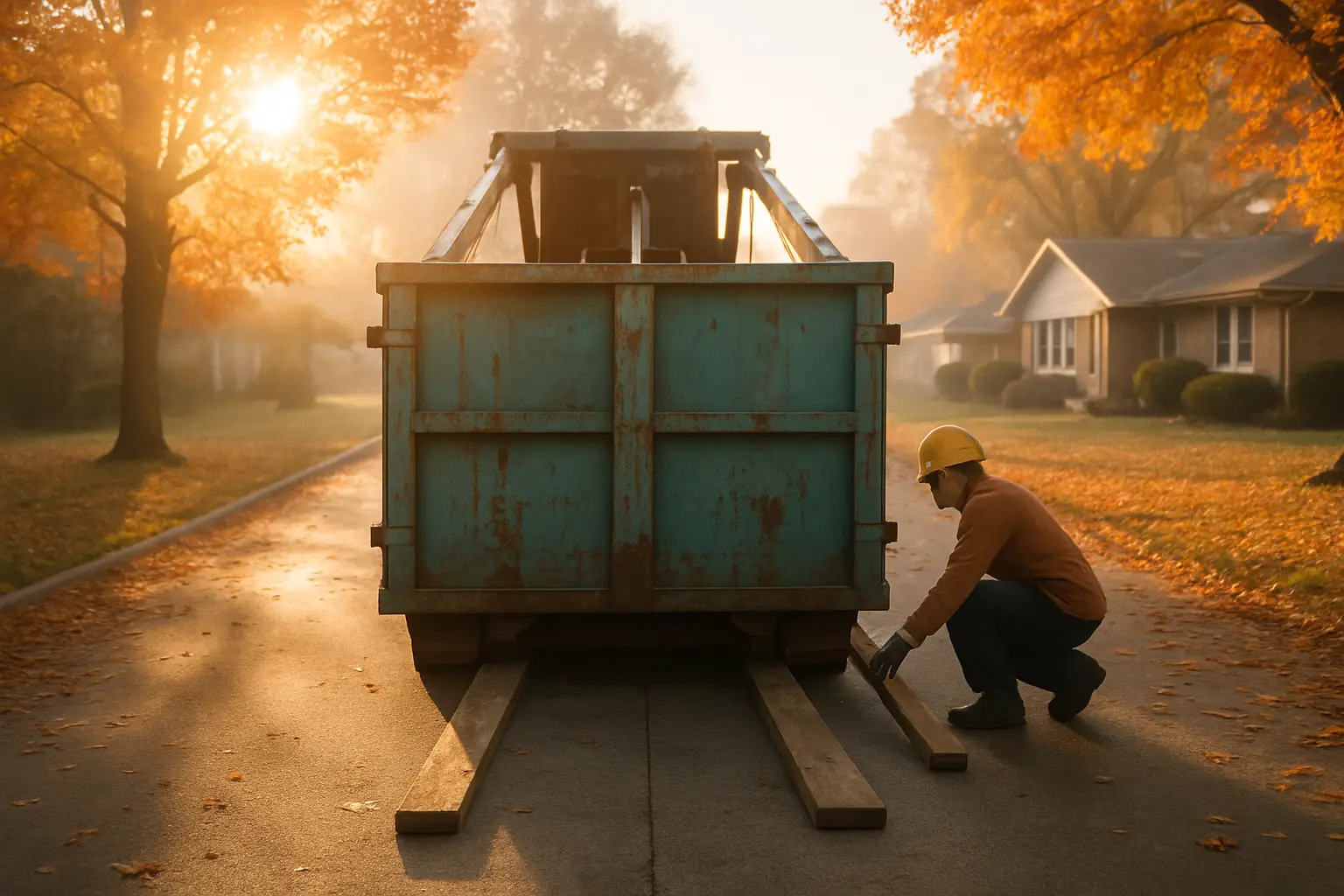
The safest location is usually a stable, reasonably level private surface with a direct approach and enough room for the delivery truck to align. A driveway may work, but its width, slope, edge condition, and overhead clearance still need review. Older Peoria properties can have narrow drives, mature trees, detached garages, or alleys that make a straightforward drop more complicated. Keep vehicles, trailers, basketball hoops, and loose equipment away from the intended path. Wet spring soil and softened shoulders are poor substitutes for firm pavement. If the container must occupy a public street, tell us before scheduling because town permission may apply. The truck also needs room to maneuver without crossing a fragile lawn or striking branches, wires, fences, or retaining walls.

Before delivery, measure the usable approach rather than only the parking space. Note low branches, utility lines, gates, parked cars, tight turns, and any slope between the street and placement area. A driver needs a predictable path to lower the container without dragging it across an edge or setting it where loading becomes unsafe. If the property uses a shared drive or alley, coordinate access with everyone who depends on it. Do not assume a tarp, plywood, or improvised surface will solve soft ground without discussing it first. Texted delivery and pickup windows with driveway protection checks give the placement plan a practical handoff, but the site still needs to be clear when the truck arrives. Have the exact drop location and access hazards ready for discussion.

Load decisions

Peoria homes change the size and weight choice

A container for a Peoria bungalow renovation may need less volume than one for a whole-house cleanout, yet the renovation can weigh more. Plaster, lath, tile, cabinets, shingles, brick, and flooring occupy space differently. Older homes often produce dense tear-out material from multiple layers, while newer subdivisions may generate bulky packaging, drywall, trim, and discarded fixtures. Garages and basements can hold compact heavy loads that look small until they are stacked. Kitchen work commonly combines cabinets and cardboard with countertops, tile, and flooring. Roofing debris is especially deceptive because shingles settle tightly and become heavy quickly. The right choice follows both the material and the work area, not just the number of rooms being changed.

Estimate the project by separating bulky material from dense material. A move-out with furniture and boxes generally needs volume, while masonry, soil, concrete, plaster, and roofing material may reach a safe weight limit first. Do not mix uncertain heavy debris into a household load without discussing it. A 10-yard container can be the more sensible option for dense material when access is tight, while a larger unit may suit light, bulky contents if the driveway can accommodate it. Consider where the crew will stage tear-out and how far the load must travel. Tell us the home type, rooms involved, material layers, and whether the work includes roofing or masonry. Those details make the capacity conversation useful instead of speculative.

Common questions

Answers before you schedule a container

What size dumpster do I need in Peoria?

The right size depends on the material, amount, and available placement space. A 10-yard container may suit dense bathroom debris or a compact cleanout, while larger containers provide more room for bulky household contents, roofing work, or whole-house projects. Peoria homes with narrow drives may need a smaller footprint. Have the project type, rooms involved, and heaviest materials ready.

Can a dumpster go in my Peoria driveway?

A dumpster can often sit in a driveway when the surface is stable, reasonably level, accessible, and clear of overhead or side obstructions. The truck still needs enough room to approach and place it without crossing fragile ground. Older drives, steep approaches, shared alleys, and softened shoulders need special review. Clear vehicles and identify the exact placement area before delivery.

Can I put a dumpster on a Peoria street?

A street placement may require town permission before delivery, and the applicable requirements depend on the location and circumstances. Do not assume a curbside position is automatically allowed. Tell us whether the container would occupy public pavement, how long the work may take, and what traffic or parking conditions surround the site. Keep the proposed location clear while permission is reviewed.

What can I put in a dumpster?

Common household, renovation, roofing, and yard cleanup materials may be accepted, but restrictions can apply to chemicals, fuels, pressurized items, batteries, certain appliances, and other regulated materials. Describe unusual or hazardous items before loading them. Peoria cleanup sites often combine several material types, so separate questionable items and keep them available for identification.

How full can I load the container?

Load material evenly and keep it below the container’s top edge so the load can be covered and transported safely. Do not mound debris above the rim or place heavy material only on one side. Break down bulky pieces where practical and leave access around the container. Ask about dense loads before adding soil, masonry, concrete, or roofing debris.

How soon can dumpster delivery happen?

Delivery timing depends on equipment availability, route conditions, access, and the placement details of the job. Same-day delivery may be possible, but it should be confirmed rather than assumed. Service is available 24/7, Monday to Sunday. Provide the address, preferred location, material type, access restrictions, and the date the work needs to begin.

Can I rent a dumpster for roofing debris?

Yes, roofing projects commonly use containers, but shingles and tear-off layers become heavy quickly. The container should sit close enough for safe loading while leaving the truck route and crew access clear. Tell us the roof size, number of layers, driveway condition, and whether other material will share the load. Keep bundles below the top edge.

How do pickup and delivery windows work?

Delivery and pickup are coordinated around the confirmed placement, access conditions, and project schedule. Keep the route clear at the agreed window and report any change in vehicles, gates, construction activity, or container location. Texted delivery and pickup windows with driveway protection checks help keep the handoff organized. Have updated access instructions ready if site conditions change.

Plan the job

Discuss the material and placement first

A useful call starts with the job details: what is being removed, where the container should sit, how the truck will reach it, and when the work is expected to begin. Lexis Dumpster Rental is available 24/7, Monday to Sunday, for Peoria project planning and scheduling.

Phone

(309) 290-5258

The conversation covers container size, accepted materials, placement conditions, access concerns, delivery timing, and pickup coordination.

Availability

24/7
Monday to Sunday, day and night

Have this ready

  • Project address
  • Material being removed
  • Preferred placement area
  • Desired delivery window

Where we work

Peoria, plus West Peoria, Peoria Heights, East Peoria, Bartonville, Bellevue, Washington, Dunlap, Morton, Pekin and Germantown Hills.

See the full service area list

Get the container plan right before cleanup starts

Tell Lexis Dumpster Rental what you are removing, where the container must sit, and what the truck will encounter on arrival. Clear details make it easier to choose capacity, protect the approach, and coordinate delivery and pickup.

Click Here to Call(309) 290-5258

Local coverage

Dumpster service around Peoria County

Lexis Dumpster Rental focuses on Peoria and nearby communities across Peoria County, with planning based on the actual property and access route. Service areas include West Peoria, Peoria Heights, East Peoria, Bartonville, Bellevue, Washington, Dunlap, Morton, Pekin, and Germantown Hills. Share the exact site conditions so the container plan matches the neighborhood, surface, and project.

Downtown PeoriaEast BluffWest BluffNorth ValleyWarehouse DistrictUplandsWest Peoria

Dumpster Rental in nearby towns

Click Here to Call(309) 290-5258